You are here:

Drinking water hygiene at home:

How to keep your water hygienically safe

Drinking water is our most important food. It is tested strictly and gets at us in the best quality. However, the water quality can suffer on its way through the pipes in your home. With simple measures, you can ensure that your drinking water remains hygienic right up to the tap.
Avoid stagnation:

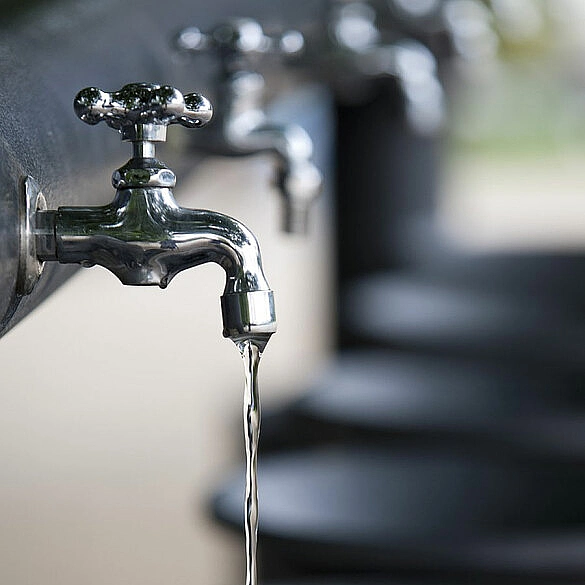
  • Why is this important? Standing water impairs the quality of drinking water. When water stands in pipes for long periods, bacteria can multiply and metals can leach out of the pipes. The German Federal Environment Agency recommends not using drinking water that has been standing in pipes for more than 4 hours, especially for preparing food or drinks for infants.
  • Tip: Let water, that has been standing for a long time, run until it comes out of the tap cool.
  • Regular flushing: Do not forget rarely used connections, for example in the guest bathroom or garden. Flush these at least every 4 weeks.

Keep the tap aerator clean

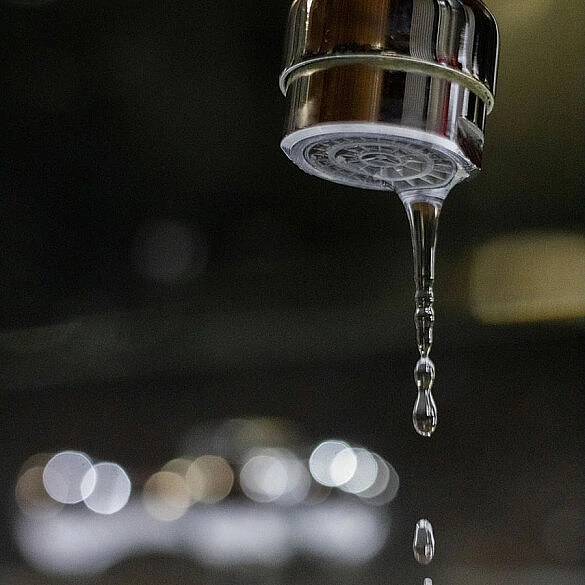
Dripping faucet
  • What is a tap aerator A tap aerator, also known as a jet regulator, is a small strainer on the tap. It ensures a fine and steady water flow.
  • Danger: Aerators are always damp. This allows bacteria and other germs to settle and multiply there. The more scaled the aerator is, the better the bacteria can multiply there. Scale and damp therefore pander bacterial growth.
  • Tip: Clean and descale the aerator regularly, for example with vinegar. If the scale is particularly intense and persistent, replace the aerator.

Maintaining domestic water filters

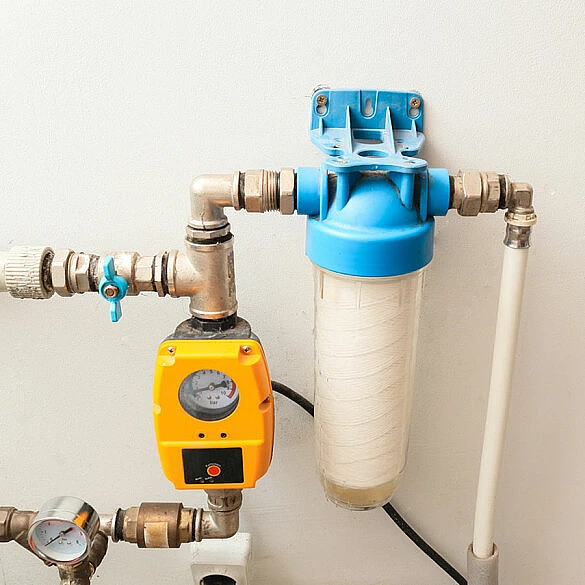
Irrigation system: Plumbing work. Installation of a new automatic control unit for the water supply pump in the house. Repair of sanitary fittings. New automatic electronic switch for the water pump pressure regulator.
  • Function: The filter protects your pipes from particles such as sand or rust.
  • Problem An unmaintained filter can accumulate germs.
  • Tip: Clean or replace the filter regularly according to the manufacturer's instructions. If you are a tenant, ask your landlord if the filter is maintained.

You can find more information about [LINK; domestic water filters] here.
Setting the hot water tank correctly

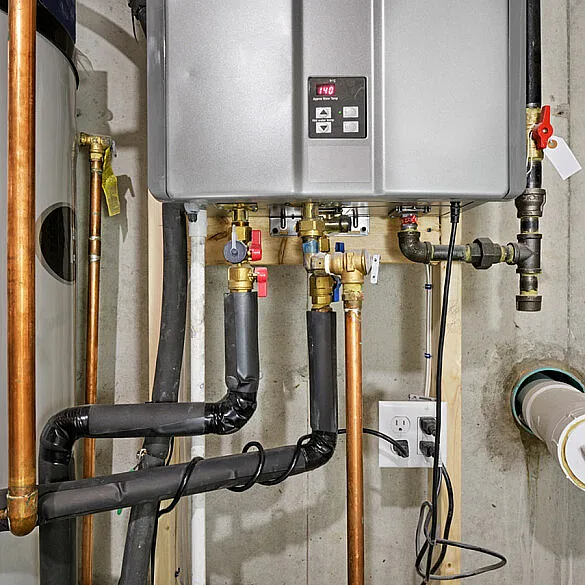
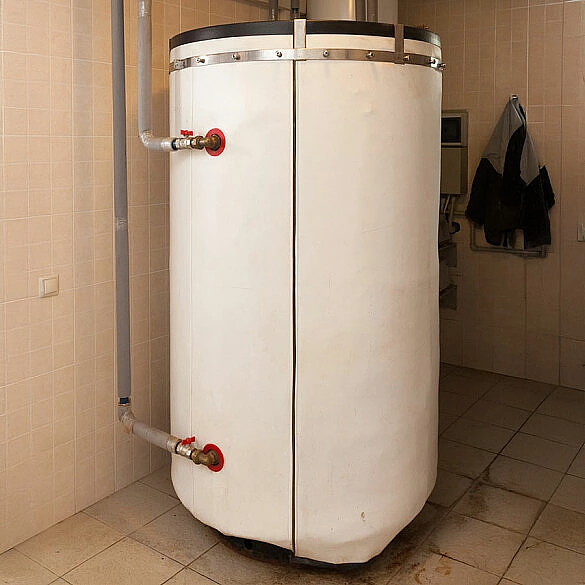
A domestic household boiler room with a new modern solid fuel boiler, electric hot water heating, and pipes.
  • Function: A hot water tank stores hot water, for example for the shower. The water in it usually has a constant temperature of 40-45°C.
  • Legionella risk: Legionella bacteria spawn at these temperatures. Legionella are bacteria inhaled with tiny water droplets when showering and can sometimes cause severe pneumonia.
  • Temperature: The water in the tank should therefore be set to at least 50°C in single-family and semi-detached houses and to at least 60°C in all larger houses. At these temperatures, legionella can no longer multiply easily and die off.
  • Tip: Check the temperature of your storage tank and avoid stagnation by regularly sampling water. If you are a tenant, talk to your landlord if the above conditions are not complied.

Consider structural aspects

Boiler
  • Insulation of pipes: Cold water must remain cold and hot water must remain hot. Good insulation of all pipes is therefore important. If this is not the case, cold water becomes too warm and hot water becomes cold – both promote bacterial growth.
  • Avoid dead pipes: Remove disused or unused pipes so that water does not stagnate permanently. Disconnect the pipes at the point of the installation where they flow into the drinking water system.
  • Adjust the storage size: If the hot water tank is large but only used by a few people, the hot water will remain in the tank for too long. Therefore, choose a hot water tank that is adjusted to the number of users it supplies. This ensures that the water in the tank is replaced regularly and significantly reduces the possibility of bacteria growth.

Summary

  • Cold water must be cold.
  • Hot water must be hot.
  • Water must flow.

With these simple measures, you can protect the quality of your drinking water and keep it hygienic. If you are a tenant and have any questions or problems, talk to your landlord.